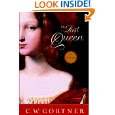
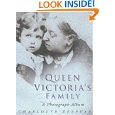
Some years ago, one glorious summer day, on the anniversary of the outbreak of the First World War, I had the good fortune to be at Osborne House on the Isle of Wight. The previous evening, I had - in the afterglow of an immense lightning storm - taken a boat to Ryde. The sun was glistening on the Solent and, as I walked up the hill to the hotel, everything was quite misty in the early evening sunlight as the rain evaporated. Never in my life had I had such a sense of coming home.
The following morning, I arrived at Osborne House before the official opening time. I sat on a bench by the old cottages - once inhabited by various members of Queen Victoria's family and entourage - and imagined the day when Princess Alice and her new husband, Louis of Hesse, rode out of those gates on their way to their honeymoon.
At length, the gates opened and it was possible to walk through the morning sunshine among those hallowed trees. My heart was pounding with every step - the loveliness of the place, the sense of times long gone, the sense of the whole atmosphere of Prince Albert's beautiful dream.
Every room, every creak of a floorboard, every portrait, every view from a window played on my heart in a way that I cannot begin to describe. I loved that place with every fibre of my being. I was just so happy to be there.
If ever an atmosphere were embroidered into the fabric of a building, I think it is true of 'dear Osborne.'
There was something so poignant, being in the room where Queen Victoria died on the arm of her grandson, Willy - Kaiser Wilhelm II - on that anniversary. Something so tragic about the way that dream ended with the family so divided and destroyed by war.
At the little Swiss Cottage, a rather strange moment occurred. There, where so many of Queen Victoria's children and grandchildren had played, I was walking along the balcony that surrounds the place. Below, out of view but within earshot, some German children were running and I heard them call, "Schnell...schnell...." and something indecipherable to me (I haven't learned German) but understood it to mean their parents were calling for them. In that moment, in those little children's voices, I thought it could be any time...any era...the era of the little Prussian or little Hessian grandchildren of Queen Victoria. When I descended the staircase, there was no sign of any children, German or otherwise. All I knew was that I had never felt such an overwhelming sense of the timelessness of everything. Such a nostalgia for something that, in this life, I had never known. Nor had I ever known such a sense of utter completion.
I must add, too, that the curators of Osborne were the most accommodating and lovely people. Osborne is more than well worth a visit.
The Original "Getting Real"

Please click on the picture to order this book.
Friday, 28 November 2008


Thursday, 27 November 2008
Silently
Silently,
You comfort me;
No sound,
No wise replies.
No eyes too filled with sympathy;
No condescending words.
But silently,
You come to me,
Your hand across my brow,
Evaportating tears to smile,
The storm has passed somehow.
Shall we arise,
Still silently,
To journey
Through our world?
No angry revolutions
And no surfeit
Of false zeal?
But we should go
Transparently,
Our eyes upon the stars
That flow across a world of wounds,
To soothe the raging scars.
So silently,
You came to me
Across my shadowed room,
Across the pits of bitterness,
And endless thoughts of gloom.
Illuminate
The road once more,
My feet have left no track,
But, softly as you came to me,
Still gently, lead me back
Silently,
You smile to me,
Your hand beneath my chin,
To raise my head
To see the sun
And know we must begin,
To cross creation
Honestly,
In innocence and youth,
To whisper through a noisy world,
Restoring silent Truth.
(Christina Croft)
You comfort me;
No sound,
No wise replies.
No eyes too filled with sympathy;
No condescending words.
But silently,
You come to me,
Your hand across my brow,
Evaportating tears to smile,
The storm has passed somehow.
Shall we arise,
Still silently,
To journey
Through our world?
No angry revolutions
And no surfeit
Of false zeal?
But we should go
Transparently,
Our eyes upon the stars
That flow across a world of wounds,
To soothe the raging scars.
So silently,
You came to me
Across my shadowed room,
Across the pits of bitterness,
And endless thoughts of gloom.
Illuminate
The road once more,
My feet have left no track,
But, softly as you came to me,
Still gently, lead me back
Silently,
You smile to me,
Your hand beneath my chin,
To raise my head
To see the sun
And know we must begin,
To cross creation
Honestly,
In innocence and youth,
To whisper through a noisy world,
Restoring silent Truth.
(Christina Croft)
Wednesday, 26 November 2008
Why I Chose To Write Ella's Life As A Novel
If you were asked to write your autobiography, where would you begin? "I was born...I did this, I did that...I went to school, college, university....met so & so etc. etc."? Or would you write: "The first thing I felt was...." or "I hurt..." or "I was happy...."? Which would be closer to your essence and to who you really are? Which would be more real?
If you were asked to write someone else's biography, where would you begin? With the same questions? Or, because we feel such a sense of separation from each other, would you feel like Thomas Gradgrind in Dickens' Hard Times, when he says:
"Now, what I want is, Facts. Teach these boys and girls nothing but Facts. Facts alone are wanted in life. Plant nothing else, and root out everything else. You can only form the minds of reasoning animals upon Facts: nothing else will ever be of any service to them. This is the principle on which I bring up my own children, and this is the principle on which I bring up these children. Stick to Facts, sir!"
In a biography or factual account of any life, these things are necessary, otherwise real historical people become distorted projections of the writer. But how can I prove in my own life - how can you prove in yours - that you once felt humiliated, destroyed, elated, ecstatic? Do you have sources for that? Did you write it down? Did you make sure it was stored in archives? How did you feel when you first fell in love? Can you prove it? I can't. I have no sources for my heart's experiences...how much less anyone else's.However, there are times when (to quote Dickens again):
"Some persons hold," he pursued, still hesitating, "that there is a wisdom of the Head, and that there is a wisdom of the Heart. . ."
Sometimes, reading the spoken words and letters of people of the past, one has such a feel for what that person is saying, that it goes beyond what can be proved or cited to sources. Any novel is a projection of the author but so, too, is any biography in that the author places some kind of interpretation on the 'facts'. It is my belief that if a novel is clearly labelled as a 'novel' the author's intention is clear - it is an interpretation of truth. That is no less valid than something that is labelled 'biography'. Perhaps, in some ways, the former is closer to truth than the latter because the former is patently the author's interpretation.There are many ways to approach a person's life and none of them is as true as the person him/herself, but when it comes to presenting a life in any particular genre, I firmly believe that the bottom line is respect for the person. Many people have written from accurate sources and have written without love or empathy. Many people have written inaccuracies and novels, without love. Many more people have written with great feeling for their characters - faults, foibles and all. When one writes from the heart and the head, I honestly don't think it matters which genre one chooses.
If you were asked to write someone else's biography, where would you begin? With the same questions? Or, because we feel such a sense of separation from each other, would you feel like Thomas Gradgrind in Dickens' Hard Times, when he says:
"Now, what I want is, Facts. Teach these boys and girls nothing but Facts. Facts alone are wanted in life. Plant nothing else, and root out everything else. You can only form the minds of reasoning animals upon Facts: nothing else will ever be of any service to them. This is the principle on which I bring up my own children, and this is the principle on which I bring up these children. Stick to Facts, sir!"
In a biography or factual account of any life, these things are necessary, otherwise real historical people become distorted projections of the writer. But how can I prove in my own life - how can you prove in yours - that you once felt humiliated, destroyed, elated, ecstatic? Do you have sources for that? Did you write it down? Did you make sure it was stored in archives? How did you feel when you first fell in love? Can you prove it? I can't. I have no sources for my heart's experiences...how much less anyone else's.However, there are times when (to quote Dickens again):
"Some persons hold," he pursued, still hesitating, "that there is a wisdom of the Head, and that there is a wisdom of the Heart. . ."
Sometimes, reading the spoken words and letters of people of the past, one has such a feel for what that person is saying, that it goes beyond what can be proved or cited to sources. Any novel is a projection of the author but so, too, is any biography in that the author places some kind of interpretation on the 'facts'. It is my belief that if a novel is clearly labelled as a 'novel' the author's intention is clear - it is an interpretation of truth. That is no less valid than something that is labelled 'biography'. Perhaps, in some ways, the former is closer to truth than the latter because the former is patently the author's interpretation.There are many ways to approach a person's life and none of them is as true as the person him/herself, but when it comes to presenting a life in any particular genre, I firmly believe that the bottom line is respect for the person. Many people have written from accurate sources and have written without love or empathy. Many people have written inaccuracies and novels, without love. Many more people have written with great feeling for their characters - faults, foibles and all. When one writes from the heart and the head, I honestly don't think it matters which genre one chooses.
Saturday, 22 November 2008
The Song Of Songs
The "Song of Songs" is, to me, the most beautiful ancient poetry that speaks directly to the heart! Amid all the patriarchal distortions of the Divinity in the Old Testament, there appears a book which is utter poetry and speaks directly both to the soul and to the aesthetic physical. I think so many interpretations have been placed upon it - theological clap-trap sometimes about how it represents Christ and the Church - when really, as far as I can see, it is so simply sheer beauty and an expression of all that is Lovely and Sacred - the simple expression of the soul at one with its Source. We don't need an authority to tell us how to make sense of it. It speaks directly to us and does away with the need for intermediaries:
My beloved went down into his garden to pasture his flock in the gardens and to gather spices. I am my Beloved's and he is mine. He pastures his flock among the lilies.
...I am the Rose of Sharon, the lily of the valleys...
The maidens saw her and proclaimed her blessed:
"Who is this arising like the dawn,
fair as the moon, resplendent as the sun?..."
And, on a cold winter's night, what could be more lovely than the thoughts of Spring - on every level!
Come, my love, my lovely one, come,
For see, the winter is past, the rains are over and gone,
The cooing of the turtle dove is heard in our land;
The flowers appear on the earth,
The fig tree is forming its first fruits
And the blossoming vines give out their fragrance.
Come then, my love, my lovely one, come...
A lovely thought on a very cold night!
My beloved went down into his garden to pasture his flock in the gardens and to gather spices. I am my Beloved's and he is mine. He pastures his flock among the lilies.
...I am the Rose of Sharon, the lily of the valleys...
The maidens saw her and proclaimed her blessed:
"Who is this arising like the dawn,
fair as the moon, resplendent as the sun?..."
And, on a cold winter's night, what could be more lovely than the thoughts of Spring - on every level!
Come, my love, my lovely one, come,
For see, the winter is past, the rains are over and gone,
The cooing of the turtle dove is heard in our land;
The flowers appear on the earth,
The fig tree is forming its first fruits
And the blossoming vines give out their fragrance.
Come then, my love, my lovely one, come...
A lovely thought on a very cold night!
Thursday, 20 November 2008
"Tsaritsa"
From the musical Tsaritsa
(Sung By Tsarina Alexandra Feodorovna to her haemophiliac son, Tsarevich Alexei)
Close your eyes and let me paint a picture:
The landscape of a season long ago,
Starlit skies, the trees aglow with winter,
St. Petersburg beneath a veil of snow.
From high cathedral spires the bells are ringing,
Chiming through the country near and far,
A thousand voices eloquently singing,
Echoing their prayer: "God bless the Tsar...God bless the Tsar..."
(Sung by Tsarina Alexandra Feodorovna to her husband, Tsar Nicholas, following his abdication in the middle of the Russian Revolution)
Close your eyes and let me paint a picture,
A moment that we shared in years gone by,
An April dawn, the breaking of the winter,
A gentle rain falls from the Coburg sky.
With all my heart I promised my tomorrows,
The day I pledged my word to be your wife,
To share with you your happiness and sorrows,
And with all my soul I gave my life,
(You are my life, you are my life...)
Close your eyes and let me soothe the sadness,
The pain that brings your gentle eyes to tears,
Love prevails in spite of all this madness;
The love that we have shared through all these years.
And though the battles rage and hope is dying,
Remember who you were and who you are,
Listen close, you'll hear my spirit sighing:
God bless the Tsar...you're still the Tsar...God bless the Tsar...
(Christina Croft)
(Sung By Tsarina Alexandra Feodorovna to her haemophiliac son, Tsarevich Alexei)
Close your eyes and let me paint a picture:
The landscape of a season long ago,
Starlit skies, the trees aglow with winter,
St. Petersburg beneath a veil of snow.
From high cathedral spires the bells are ringing,
Chiming through the country near and far,
A thousand voices eloquently singing,
Echoing their prayer: "God bless the Tsar...God bless the Tsar..."
(Sung by Tsarina Alexandra Feodorovna to her husband, Tsar Nicholas, following his abdication in the middle of the Russian Revolution)
Close your eyes and let me paint a picture,
A moment that we shared in years gone by,
An April dawn, the breaking of the winter,
A gentle rain falls from the Coburg sky.
With all my heart I promised my tomorrows,
The day I pledged my word to be your wife,
To share with you your happiness and sorrows,
And with all my soul I gave my life,
(You are my life, you are my life...)
Close your eyes and let me soothe the sadness,
The pain that brings your gentle eyes to tears,
Love prevails in spite of all this madness;
The love that we have shared through all these years.
And though the battles rage and hope is dying,
Remember who you were and who you are,
Listen close, you'll hear my spirit sighing:
God bless the Tsar...you're still the Tsar...God bless the Tsar...
(Christina Croft)
Wednesday, 19 November 2008
Excerpt from "The Counting House"
In this extract, seven-year-old Georgie - the central character of "The Counting House" - already convinced that she is cursed by God for having stolen a candlestick from a cemetery lodge, is trying to come to terms with an accident which left her brother confined to a wheelchair, and for which she believes she is responsible. This excerpt from the beginning of the third chapter, describes her fear not only of retribution from God, but also of her terrifying teacher, Miss Keppel:
"I am the Lord thy God who brought thee out of the land of Egypt and out of the house of bondage.”
While the boys made Plasticine models with plastic knives on small square boards, we sat like ladies-in-waiting around Miss Keppel’s desk, clicking our needles and quietly chanting the steady rhythm,“In, wrap it round, pull it through, slip it off. In, wrap it round, pull it through slip it off.”
Miss Keppel moved among us uttering words of wisdom, “The devil finds work for idle hands. Always keep your hands and your minds busy!”
Her huge nostrils quivered as she surveyed the class, “Gerard Taylor, what is the first commandment?”
He answered without hesitation, “Thou shalt not have strange gods before me.”
“Go on,” she said.
We carried on knitting, “In, wrap it round, pull it through slip it off, in, wrap it round, pull it through, slip it off.”
“Nor any fish or,” he looked down and stuck his thumb into the squashy pink snail, “bird or graven image or any insect or anything.”
Miss Keppel’s great nose came down above him until his neck shrank into his shoulders. A swift hand clipped the top of his head, “For I, the Lord am a jealous God and I punish the father’s guilt in his sons!”
She spun around like a whirlwind, “Catherine Gould, the second commandment?”
“Thou shalt not take the name of the Lord thy God in vain.”
“In, wrap it round, pull it through, slip it off. In, wrap it round, pull it through, slip it off,” faster and faster, building up speed like a train.
I said the words but my hands were out of time. I said, ‘Slip it off,’ when I was wrapping it round and I knitted a hole where there should have been wool. Catherine Gould’s scarf grew longer and longer in a rainbow of bright colours. I wriggled the wool through my fingers, tying the loose ends in knots on the needles. The two rows that Miss Keppel had knitted to start me off grew greyer and greyer but the scarf never grew any longer.
Miss Keppel moved on, calling names at random, “Michael Donnelly, the fifth commandment.”
This week she was bound to come to me; I guessed that she would reach me with the seventh. She always omitted the sixth and the ninth and Gerard Taylor said they were rude. I looked them up in the Bible.
“Jessica,” I said, “what’s adultery?”
“Being cheeky to grown ups.”
“That’s not rude.”
“Being rude to grown ups then.”
Miss Keppel’s shoes squeaked over the wooden floor and her flowing skirt made a breeze as she passed. My fingers were damp and slipped over the huge plastic needles. I gathered the grubby grey wool on my lap and buried the scarf in my hands.
“Georgina Meadows, the seventh commandment?”
I felt the blood rush out of my face and my hand began to shake. I opened my mouth but no words would come.
“The seventh commandment, Georgina?”
She was standing in front of me, her long bony fingers entwined before my eyes. Her knuckles were red and inflamed and brown spots covered the skin.
I screwed the wool into a ball, “Thou shalt not steal.”
One by one her fingers untwined and stretched themselves like an eagle about to swoop on its prey. Her hand was cold when her skin touched mine, pulling the woollen ball from my knee. When she lifted it up her nostrils flared and her thin lips sank into her mouth.
“What,” she said, pausing between each word, “is this?”
I didn’t know if she wanted an answer so I bent down and pulled up my socks.
“Well?”
“Please may I do Plasticine next week?”
“Plasticine?” the word burst out like an oath.
“I can’t knit. My Mum can’t knit either. None of us knits in our family.”
Her dull eyes widened and her lips disappeared. She took the end of a thread in her finger tips as though it were an insect she could hardly bear to hold and with one sudden movement of her wrist, unravelled the whole creation and dropped it in a heap on my knee.
“You can’t knit? Then it’s time you learned. You’ll stay in at playtime this afternoon and every afternoon until you can.”
"I am the Lord thy God who brought thee out of the land of Egypt and out of the house of bondage.”
While the boys made Plasticine models with plastic knives on small square boards, we sat like ladies-in-waiting around Miss Keppel’s desk, clicking our needles and quietly chanting the steady rhythm,“In, wrap it round, pull it through, slip it off. In, wrap it round, pull it through slip it off.”
Miss Keppel moved among us uttering words of wisdom, “The devil finds work for idle hands. Always keep your hands and your minds busy!”
Her huge nostrils quivered as she surveyed the class, “Gerard Taylor, what is the first commandment?”
He answered without hesitation, “Thou shalt not have strange gods before me.”
“Go on,” she said.
We carried on knitting, “In, wrap it round, pull it through slip it off, in, wrap it round, pull it through, slip it off.”
“Nor any fish or,” he looked down and stuck his thumb into the squashy pink snail, “bird or graven image or any insect or anything.”
Miss Keppel’s great nose came down above him until his neck shrank into his shoulders. A swift hand clipped the top of his head, “For I, the Lord am a jealous God and I punish the father’s guilt in his sons!”
She spun around like a whirlwind, “Catherine Gould, the second commandment?”
“Thou shalt not take the name of the Lord thy God in vain.”
“In, wrap it round, pull it through, slip it off. In, wrap it round, pull it through, slip it off,” faster and faster, building up speed like a train.
I said the words but my hands were out of time. I said, ‘Slip it off,’ when I was wrapping it round and I knitted a hole where there should have been wool. Catherine Gould’s scarf grew longer and longer in a rainbow of bright colours. I wriggled the wool through my fingers, tying the loose ends in knots on the needles. The two rows that Miss Keppel had knitted to start me off grew greyer and greyer but the scarf never grew any longer.
Miss Keppel moved on, calling names at random, “Michael Donnelly, the fifth commandment.”
This week she was bound to come to me; I guessed that she would reach me with the seventh. She always omitted the sixth and the ninth and Gerard Taylor said they were rude. I looked them up in the Bible.
“Jessica,” I said, “what’s adultery?”
“Being cheeky to grown ups.”
“That’s not rude.”
“Being rude to grown ups then.”
Miss Keppel’s shoes squeaked over the wooden floor and her flowing skirt made a breeze as she passed. My fingers were damp and slipped over the huge plastic needles. I gathered the grubby grey wool on my lap and buried the scarf in my hands.
“Georgina Meadows, the seventh commandment?”
I felt the blood rush out of my face and my hand began to shake. I opened my mouth but no words would come.
“The seventh commandment, Georgina?”
She was standing in front of me, her long bony fingers entwined before my eyes. Her knuckles were red and inflamed and brown spots covered the skin.
I screwed the wool into a ball, “Thou shalt not steal.”
One by one her fingers untwined and stretched themselves like an eagle about to swoop on its prey. Her hand was cold when her skin touched mine, pulling the woollen ball from my knee. When she lifted it up her nostrils flared and her thin lips sank into her mouth.
“What,” she said, pausing between each word, “is this?”
I didn’t know if she wanted an answer so I bent down and pulled up my socks.
“Well?”
“Please may I do Plasticine next week?”
“Plasticine?” the word burst out like an oath.
“I can’t knit. My Mum can’t knit either. None of us knits in our family.”
Her dull eyes widened and her lips disappeared. She took the end of a thread in her finger tips as though it were an insect she could hardly bear to hold and with one sudden movement of her wrist, unravelled the whole creation and dropped it in a heap on my knee.
“You can’t knit? Then it’s time you learned. You’ll stay in at playtime this afternoon and every afternoon until you can.”
Tuesday, 18 November 2008
Music and Words
"Music," wrote Beethoven, "is the one incorporeal entrance into the higher world of knowledge which comprehends mankind but which mankind cannot comprehend.”
Often it seems that there are emotions and experiences beyond emotions, for which we have not yet found sufficient vocabulary. Music, like the sense of smell, is instant. Before words, before reading and letters, we experience directly through our more immediate senses of hearing and touch and smell. Words require another step...and, in some ways, a step away from that initial understanding and empathy.
Words divide and words bring together. It often seems that the greatest possible gift would be the ability to translate, immediately, into words those experiences/senses that we all share and so rarely find the means to express. What quest! What an adventure!
Often it seems that there are emotions and experiences beyond emotions, for which we have not yet found sufficient vocabulary. Music, like the sense of smell, is instant. Before words, before reading and letters, we experience directly through our more immediate senses of hearing and touch and smell. Words require another step...and, in some ways, a step away from that initial understanding and empathy.
Words divide and words bring together. It often seems that the greatest possible gift would be the ability to translate, immediately, into words those experiences/senses that we all share and so rarely find the means to express. What quest! What an adventure!
Subscribe to:
Posts (Atom)